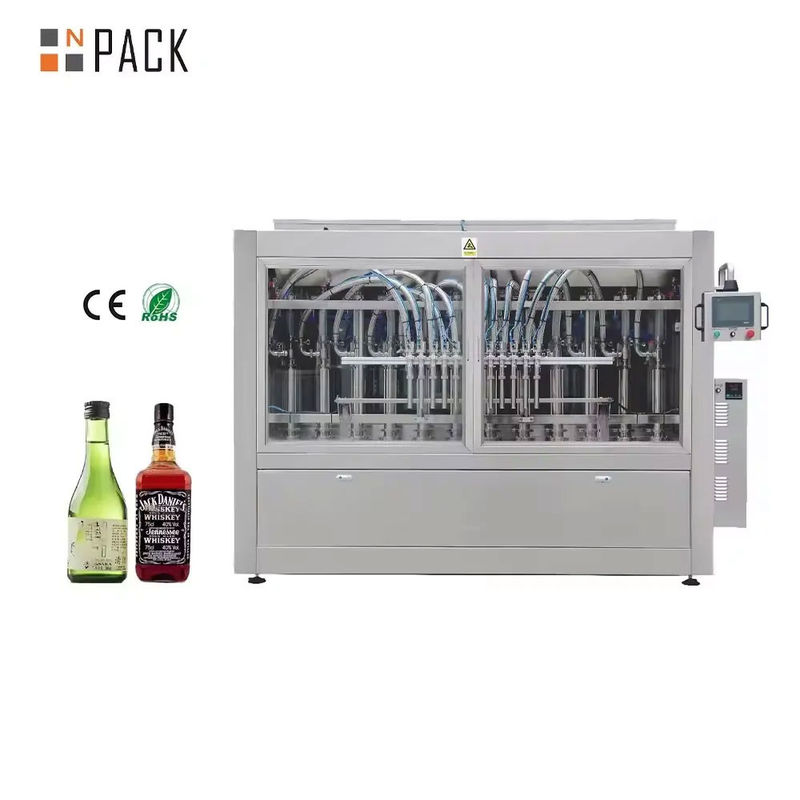
Máy chiết rót đóng chai rượu Vodka tự động
Máy chiết rót chai thủy tinh rượu Vodka là giải pháp có độ chính xác cao, được thiết kế để chiết rót tự động rượu vodka và các loại đồ uống có cồn khác vào chai thủy tinh và các loại vật chứa khác nhau. Máy hỗ trợ chai, lọ và lon có hình dạng và kích thước khác nhau, đảm bảo sản xuất linh hoạt và hiệu quả.
Được chế tạo bằng thép không gỉ SUS304 và trang bị hệ thống điều khiển PLC cùng màn hình cảm ứng HMI, máy mang lại hoạt động ổn định và điều chỉnh dễ dàng. Sử dụng công nghệ bơm piston hoặc bơm bánh răng, máy đạt độ chính xác chiết rót lên tới ±0,5%, với tốc độ lên tới 60 chai mỗi phút. Vòi chống nhỏ giọt giúp duy trì quy trình sạch sẽ và hợp vệ sinh.
Thích hợp cho các ngành công nghiệp như thực phẩm, đồ uống và hóa chất, máy có thể xử lý các chất lỏng như rượu vodka, rượu mạnh, rượu vang, siro, nước sốt và chất tẩy rửa. Hệ thống có thể tùy chỉnh hoàn toàn, hỗ trợ các kích thước chai khác nhau (100ml–5L), vật liệu vật chứa và các cấu hình chống cháy nổ tùy chọn, làm cho máy trở nên lý tưởng cho sản xuất hiệu quả và có thể mở rộng.
Các tính năng chính
1. Chiết rót Servo độ chính xác cao
Điều khiển động cơ servo đảm bảo chiết rót chính xác với độ chính xác lên tới ±0,5%.
2. Thiết kế chống nhỏ giọt
Vòi chiết rót 316SS với hệ thống ngắt và ống silicon gia cố ngăn ngừa rò rỉ và đảm bảo hoạt động sạch sẽ.
3. Điều khiển PLC tiên tiến
Trang bị hệ thống PLC đáng tin cậy và màn hình cảm ứng HMI để vận hành dễ dàng, giám sát thời gian thực và điều chỉnh thông số nhanh chóng.
4. Khả năng tương thích rộng
Thích hợp cho nhiều loại vật chứa và kích cỡ khác nhau, bao gồm chai nhựa và thủy tinh; thay đổi nhanh chóng trong vài phút.
5. Công nghệ chống rò rỉ chân không
Ngăn chặn nhỏ giọt trong quá trình hoạt động, cải thiện chất lượng sản phẩm và giảm lãng phí.
6. Cấu hình linh hoạt
Hệ thống chiết rót servo tùy chọn, thiết kế đa đầu và tích hợp với dây chuyền đóng nắp và dán nhãn.
7. Hỗ trợ làm sạch CIP
Hệ thống CIP một chạm tùy chọn để làm sạch hiệu quả và hợp vệ sinh.
8. Cấu trúc bền và hợp vệ sinh
Được chế tạo bằng vật liệu chất lượng cao, mang lại hiệu suất ổn định, bảo trì dễ dàng và khả năng thích ứng mạnh mẽ trên nhiều ngành công nghiệp.
Thông số chính
|
|
|
|
|
|
|
|
NP-VF-16
|
|
|
|
|
|
|
|
|
16
|
|
|
100-500,100-1000,1000-5000
|
Công suất (chai/phút) dựa trên 500ml
|
12-14
|
24-28
|
36-42
|
48-56
|
60-70
|
70-80
|
80-100
|
|
|
|
|
|
|
|
|
|
220VAC một pha 3000W
|
Chi tiết sản phẩm
Các yếu tố cần xem xét khi thiết lập dây chuyền đóng chai rượu Vodka
1. Lập kế hoạch & Thiết kế: Xác định công suất sản xuất, chọn thiết bị phù hợp và thiết kế bố cục hiệu quả. Xem xét không gian, tiện ích và khả năng mở rộng trong tương lai. Quyết định giữa hệ thống tự động hoặc bán tự động dựa trên nhu cầu của bạn.
2. Lựa chọn máy móc: Chọn thiết bị đáng tin cậy, chất lượng cao phù hợp với mục tiêu sản xuất và ngân sách của bạn để đảm bảo hoạt động ổn định và hiệu quả.
3. Lắp đặt & Kiểm tra: Lắp đặt, hiệu chuẩn và kiểm tra tất cả các máy một cách thích hợp để đảm bảo hiệu suất trơn tru và tránh các sự cố trong tương lai.
4. Đào tạo & An toàn: Đào tạo người vận hành về cách sử dụng máy, bảo trì và các quy trình an toàn để cải thiện hiệu quả, giảm lỗi và đảm bảo môi trường làm việc an toàn.
Chiến lược bảo trì và khắc phục sự cố
1. Bảo trì phòng ngừa: Thực hiện kiểm tra định kỳ, bôi trơn và thay thế kịp thời các bộ phận hao mòn để giảm thời gian ngừng hoạt động và kéo dài tuổi thọ máy. Lưu giữ hồ sơ bảo trì để theo dõi tốt hơn.
2. Đào tạo người vận hành: Đảm bảo người vận hành được đào tạo bài bản về vận hành máy và khắc phục sự cố cơ bản để nhanh chóng xác định và giải quyết các vấn đề.
3. Hỗ trợ kỹ thuật: Làm việc chặt chẽ với nhà cung cấp thiết bị hoặc nhà cung cấp dịch vụ để tiếp cận hỗ trợ chuyên nghiệp, đào tạo và giải quyết vấn đề nhanh hơn.


 english
 français
 Deutsch
 Italiano
 Русский
 Español
 português
 Nederlandse
 ελληνικά
 日本語
日本語
 한국
한국
 العربية
 हिन्दी
 Türkçe
 indonesia
 tiếng Việt
 ไทย
ไทย
 বাংলা
বাংলা
 فارسی
فارسی
 polski